How to Incorporate Modern Design in Your Home
12/9/20245 min read
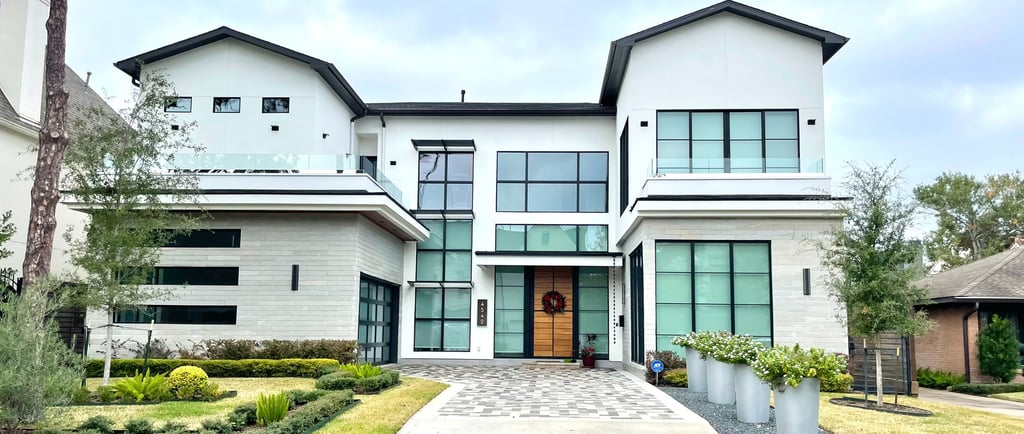
Modern design is all about simplicity, clean lines, and functionality. It’s a style that focuses on creating open, uncluttered spaces, using neutral color palettes, and incorporating sleek, minimalist furniture and décor. Whether you're remodeling a single room or transforming your entire home, incorporating modern design elements can give your space a fresh, sophisticated, and timeless look.
If you're ready to embrace modern design in your home, here are some tips and tricks to help you achieve a sleek and stylish interior.
1. Focus on Clean Lines and Simplicity
At the heart of modern design is the emphasis on clean lines and simplicity. The goal is to create a space that feels airy and open, free from excess clutter or overly ornate décor. Start by selecting furniture with simple, geometric shapes, avoiding anything too fussy or heavy. Think low-profile sofas with straight edges, simple coffee tables, and sleek shelving units.
In terms of walls and floors, opt for flat surfaces, smooth textures, and neutral colors. White, beige, gray, and black are staples of modern design, offering a minimalist backdrop that allows other design elements to shine.
Tip: When incorporating furniture, avoid pieces with intricate details or carvings. Instead, look for items with sharp, clean edges and neutral tones.
2. Embrace Neutral and Muted Color Palettes
Modern design typically favors neutral color schemes with pops of accent colors. A monochromatic base of whites, grays, and taupes provides a calm, serene environment. You can introduce color through artwork, throw pillows, area rugs, or accent furniture. For instance, vibrant hues of blue, yellow, or green work well as bold accents that bring life to a modern space without overwhelming it.
Instead of going all out with one bold color, consider using colors in smaller doses to create a more balanced look. For example, you might pair a gray sectional sofa with a bright mustard yellow throw pillow, or complement a white wall with a deep navy rug.
Tip: Modern spaces are about harmony, so don’t overdo the color. A few well-placed bold accents will bring personality without disrupting the overall calm vibe.
3. Integrate Open Spaces
Modern design thrives on open, airy spaces, which means removing unnecessary walls, furniture, or décor. The goal is to keep things spacious and functional, so your living areas flow seamlessly into one another.
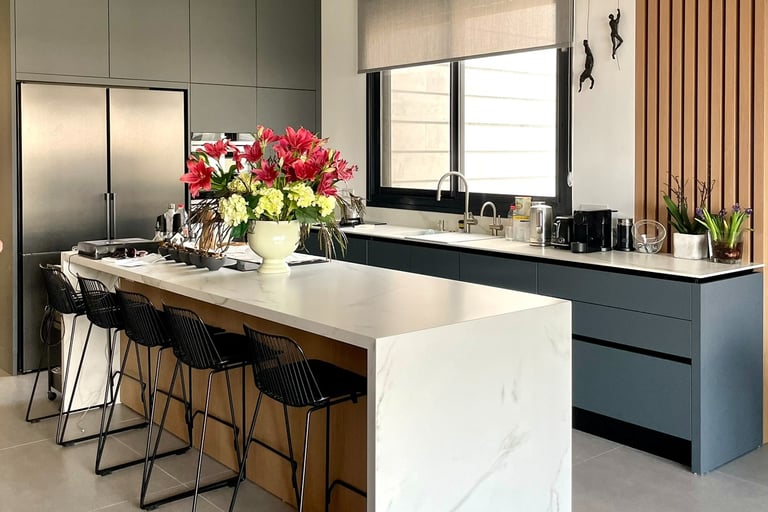
Open floor plans are one of the most common elements of modern homes. If you’re remodeling, consider knocking down walls or opting for large sliding doors that lead to outdoor spaces. For instance, a kitchen that opens into the living or dining area will create a more connected, inclusive feel.
Tip: Even in smaller spaces, aim to keep the layout open and uncluttered. Use multi-functional furniture—such as storage ottomans or foldable tables—to minimize excess items and maintain a spacious look.
4. Choose Minimalist Furniture
When selecting furniture for a modern home, less is more. Look for pieces that have sleek, clean lines and a minimalist design. Avoid heavy, bulky furniture or overly decorative pieces. Modern design favors furniture that is functional yet stylish.
For example, instead of large, ornate coffee tables, opt for a slim, low-profile table with a metal frame or glass top. Sofas should feature simple shapes with low, straight backs and neutral fabrics like linen or leather. Incorporate multi-functional furniture pieces—such as sectional sofas with built-in storage or ottomans that can double as side tables—to make the most of your space.
Tip: Modern design embraces the idea of fewer, more purposeful pieces. Stick to functional furniture that enhances the room without cluttering it up.
5. Use Natural Materials
Incorporating natural materials into your modern home will add warmth and texture to balance the sleekness of minimalist design. Wood, stone, metal, and glass are all excellent choices for creating modern interiors that feel grounded yet sophisticated.
Wood accents—whether in the form of hardwood floors, wooden furniture, or exposed beams—can bring an organic element to the space. Likewise, stone surfaces, such as marble countertops or a stone fireplace, lend a sense of luxury and timelessness. Incorporating glass elements, like large windows or glass light fixtures, will open up the space while providing a sense of transparency and elegance.
Tip: Mix and match natural materials to create contrast and depth. For instance, pair a wood dining table with metal chairs or a stone feature wall with wooden flooring.
6. Incorporate Statement Lighting
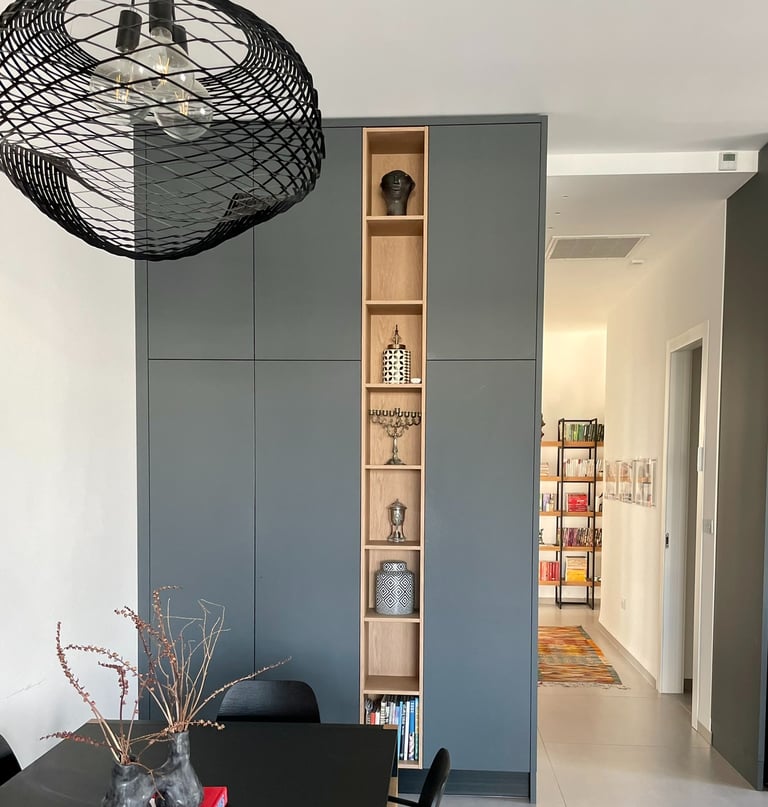
Lighting is a key component of modern design. It’s not just about functionality but also about creating a statement. Modern light fixtures tend to be sleek, sculptural, and minimalist, but they can also serve as works of art in their own right.
Consider using pendant lights, track lighting, or recessed lighting to create a clean and contemporary atmosphere. A statement chandelier made of metal or glass can also add sophistication and flair to your living or dining room.
Tip: Layer your lighting by incorporating different types—ambient, task, and accent lighting—to create a well-balanced and functional space. Modern lighting should highlight the room’s design and function while adding style.
7. Add Bold Artwork or Sculptures
In modern design, art plays an important role in adding personality and character to a space. Large, bold artwork can be the centerpiece of a room, offering a contrast to the neutral tones and clean lines. Choose art that reflects your personal style, whether it’s abstract pieces, geometric prints, or black-and-white photography.
If artwork isn’t your thing, modern sculptures and decor items can also serve as focal points. Sculptural vases, geometric wall hangings, or metallic pieces add an artistic element to your space without overwhelming it.
Tip: Keep the artwork and décor simple and in line with the overall aesthetic of the room. Opt for a few statement pieces rather than crowding the walls with multiple small artworks.
8. Use Smart Technology
Modern design often integrates technology seamlessly into the home, enhancing comfort and functionality. Smart home systems allow you to control lighting, temperature, security, and entertainment from a single device.
Consider adding features like a smart thermostat, voice-controlled lighting, or automated blinds. For entertainment, opt for a sleek sound system or wall-mounted TVs to maintain clean, uncluttered spaces.
Tip: While technology is a key part of modern design, ensure that it blends into your home rather than taking over. Keep devices out of sight or opt for minimalist gadgets that complement the design.
Conclusion
Incorporating modern design into your home is about creating a balanced, functional, and visually appealing space that prioritizes simplicity and elegance. By embracing clean lines, neutral color schemes, minimalist furniture, and natural materials, you can transform any room into a modern sanctuary. Add statement lighting, bold artwork, and smart technology to elevate your home and make it truly reflect your personal style.
With these tips, you’ll be able to create a modern home that feels both timeless and cutting-edge, offering a peaceful, stylish environment that’s perfect for living, working, and entertaining